Module 3: Equipment, Inspection & Maintenance
Solenoid Valves in Oil Refineries
Most refineries contain thousands of solenoid valves. The majority are used for ON/OFF (two-position) control, as opposed to control valves that can be positioned anywhere from fully closed to fully open.
The Physics
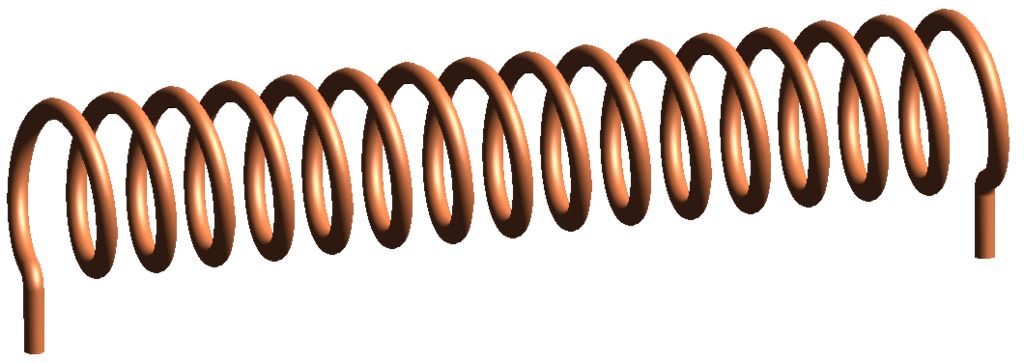
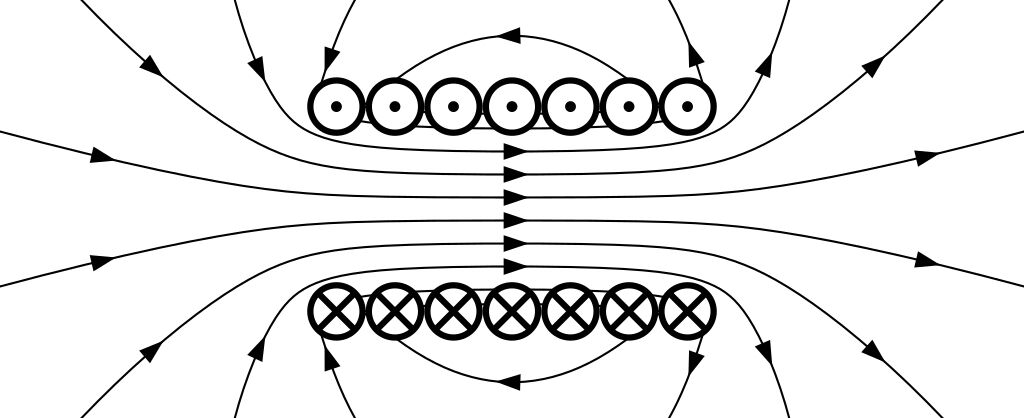
In physics, a solenoid is a coil of wire that produces a magnetic field when current passes through it. The engineering version adds a magnetic rod, called a plunger or armature, positioned inside the coil. When current flows through the wire, the rod is pulled into the coil. When the current stops, the rod returns to its starting position. This movement converts electrical energy into linear mechanical motion.
How Solenoid Valves Work
Solenoid valves use this energy conversion to open and close. Energizing the coil moves the plunger, which opens or closes the valve seat. De-energizing the coil allows a spring to return the plunger to its default position. The result is a valve that can be switched quickly and reliably with a simple electrical signal.
Other Applications
Not all solenoids in a refinery are valves. Solenoid switches are used in electrical relays to isolate operators from high-power circuits. Some of the key advantages of solenoid valves across applications are very quick reaction times, high reliability, and long service life.