Module 3: Equipment, Inspection & Maintenance
How Relays Protect High-Voltage Circuits
To understand a relay, you need to take one step back to an electrical "switch".
Switch
An electrical component that can disconnect or connect the conducting path in an electrical circuit. The connection happens when two metal "contacts" are touching. The switch is "closed" when the contacts are touching and electricity flows. The switch is "open" when the contacts are not touching and electricity does not flow.
EXAMPLE: A light switch. You close a circuit by causing contacts to touch, and electricity to flow.
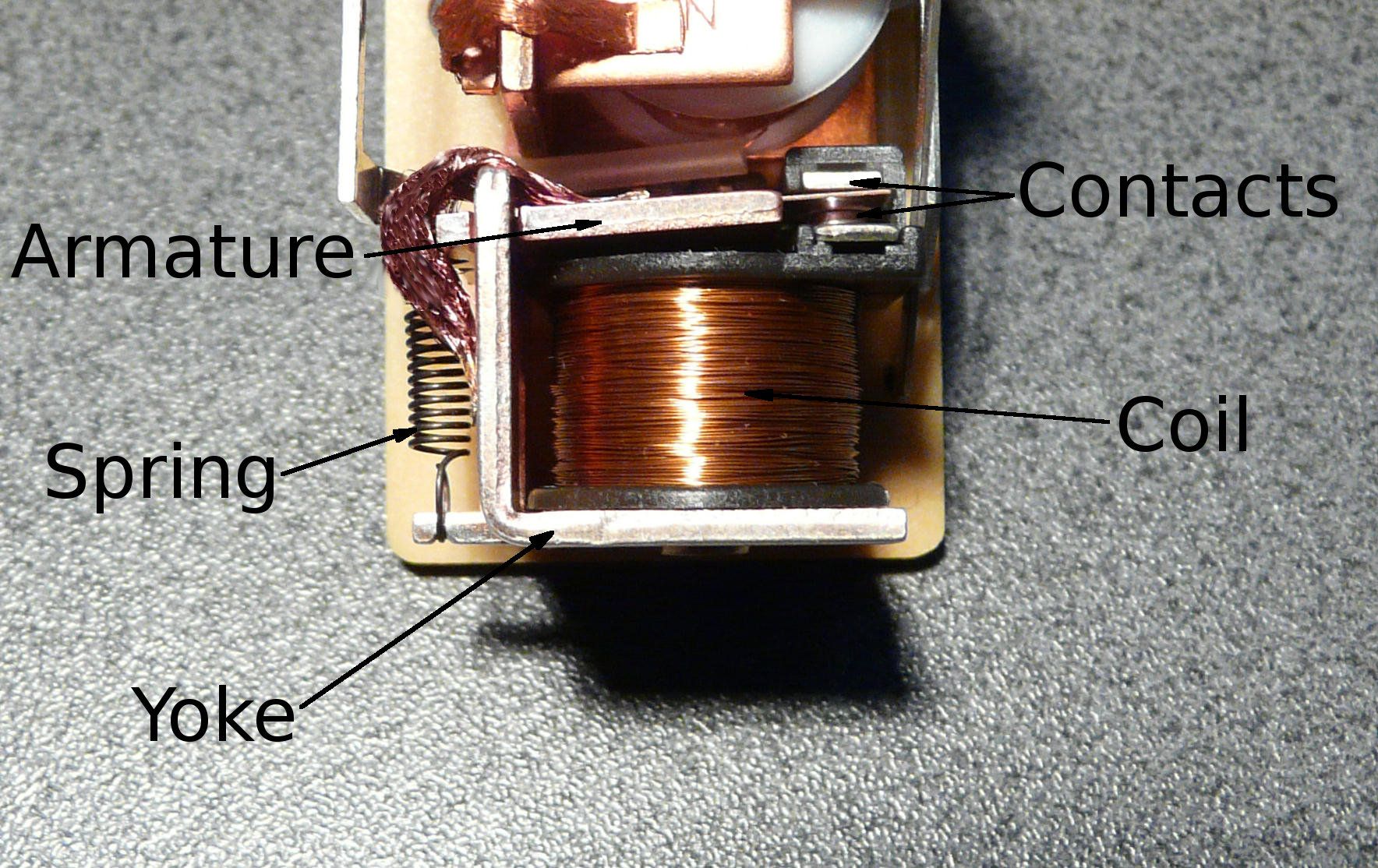
Relay
A switch that is operated by another electrical circuit. The major advantage is that a relay allows for controlling a high-power or high-voltage circuit with a low-voltage circuit.
EXAMPLE: In a car, there is a starter relay that allows the high current of the cranking motor to be controlled by low-voltage wiring and turning the ignition switch or pressing the ignition button. The driver is separated from the high current of the cranking motor via the starter relay.
Relays in a Refinery
In a refinery, there is a lot of high-voltage equipment. Therefore, there are many relays that isolate the operator from the high-voltage or high-power circuits. Working knowledge of relays can help Operations and Engineering personnel when things go south (i.e. motor won't start!!). At a minimum, when the skilled electrician says they need to check the relay, you can have some idea what they are talking about as you shake your head yes.