Module 2: Refinery Processes & Units
FCC Yields and Hydrotreated Feed
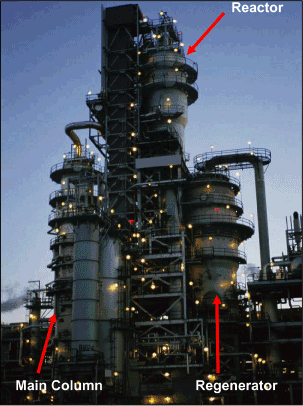
A Fluid Catalytic Cracking Unit, or FCC, converts heavy gas oils into high-value gasoline blending components. The feed to an FCC may or may not be hydrotreated before it enters the unit, and that distinction has a significant impact on performance.
What Does Hydrotreated Mean?
Hydrotreated means the gas oil was processed in a hydrotreating unit before reaching the FCC. In a hydrotreater, hydrogen is reacted with the feed under high pressure in the presence of a catalyst. This removes sulfur, nitrogen, and metal contaminants such as nickel and vanadium.
Three Benefits of Hydrotreated FCC Feed
When FCC feed is hydrotreated, there are at least three major benefits. First, product yields improve because of the hydrogen added to the feed. Second, catalyst consumption drops because nickel and vanadium, both of which poison and deactivate FCC catalyst, are removed upstream. Third, it eliminates the need for flue gas desulfurization equipment, which requires significant capital investment. The hydrotreater handles the sulfur before it ever reaches the FCC.
Reference
Handbook of Petroleum Refining Processes, Chapter 7.1